
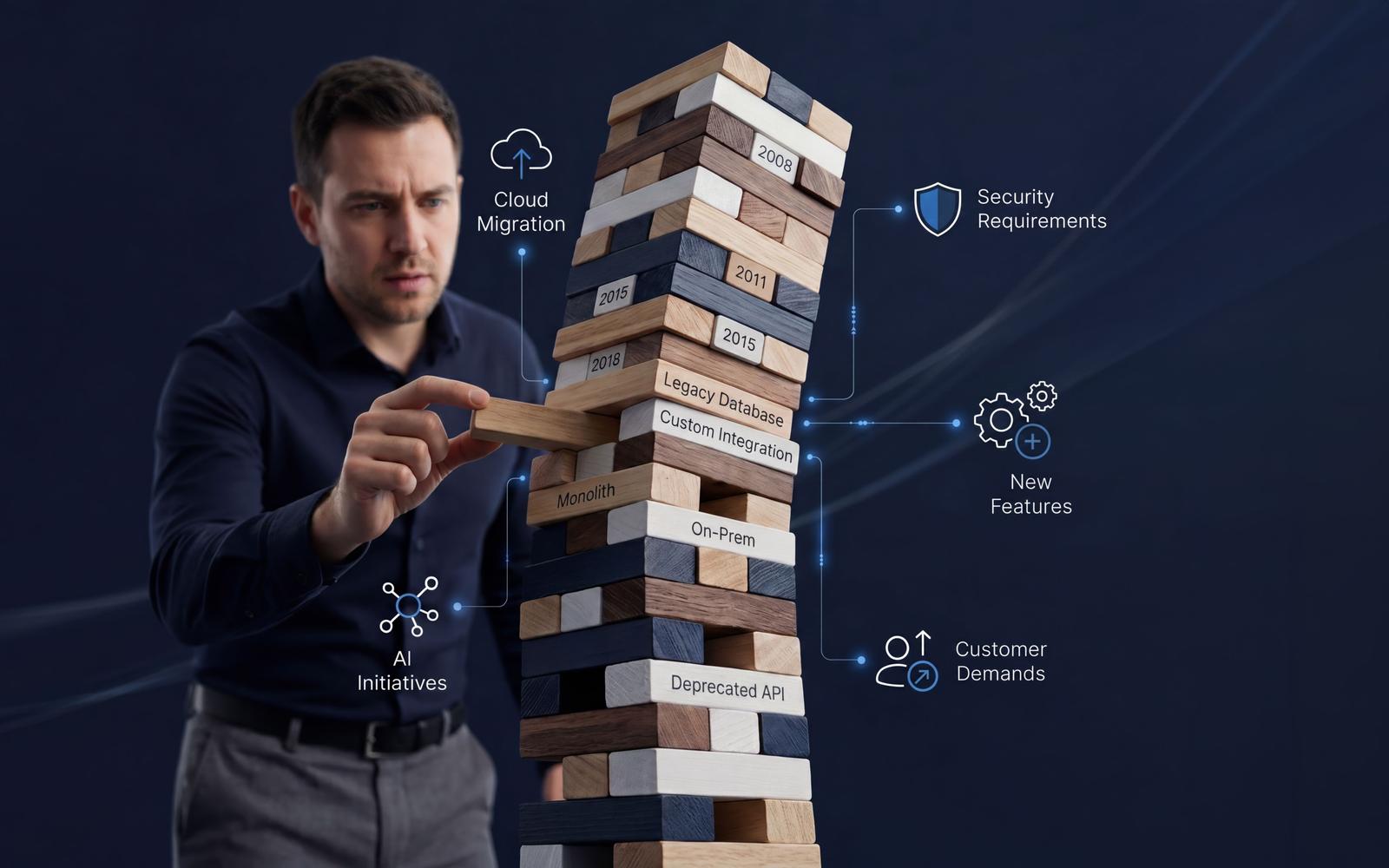
Vibe coding isn't inherently bad. It can help teams build prototypes, test ideas, and validate concepts without investing heavily in development. But the risks change when AI-generated code starts handling real user data, financial transactions, or business-critical operations. A working application isn't necessarily a production-ready one.
The real question isn't whether AI wrote the code, but what happens if that code fails. Without proper engineering oversight, early development speed can lead to security vulnerabilities, unreliable performance, and costly maintenance problems.
For founders and technical leaders, the challenge is knowing where vibe coding makes sense, when it becomes a liability, and what needs to be verified before an AI-generated application goes live.
What Is Vibe Coding, and How Does It Differ From AI-Assisted Development?
Vibe coding is a software development approach where a person describes what they want to an AI tool, accepts the generated code with minimal review, and keeps refining it through prompts until the application appears to work. Instead of examining the implementation, they focus on the visible result.
The key difference between vibe coding and AI-assisted development isn't the tool itself, but how much control developers retain over the code.
In AI-assisted development, engineers use AI to speed up coding, testing, and refactoring while remaining responsible for architecture, security, and code quality. They review generated changes, validate technical decisions, and ensure the software meets project requirements.
Vibe coding, by contrast, prioritizes working functionality over understanding how it was implemented. This can accelerate experimentation, but it also allows technical issues to go unnoticed.
For example, both approaches might use AI to build a user authentication feature. With vibe coding, the developer may stop once users can successfully log in. With AI-assisted development, an engineer also reviews session handling, password storage, access controls, and failure scenarios before approving the implementation.
Why Is Vibe Coding Bad for Production Software?
The assumption that vibe coding is bad for production software comes from a real concern: functional code doesn't necessarily meet security, reliability, or maintainability requirements.
According to Veracode's 2025 GenAI Code Security Report, AI models introduced known security vulnerabilities in 45% of the tested code-generation tasks. The study evaluated more than 100 models using security-focused coding exercises across Java, Python, JavaScript, and C#. While this doesn't mean 45% of all AI-generated code is vulnerable, it shows why working functionality alone isn't sufficient evidence of security.
Hidden Security Vulnerabilities
AI-generated applications may contain weak access controls, exposed API keys, insecure database permissions, or insufficient input validation. These issues can remain invisible during normal user interactions.
For example, a SaaS application might require users to log in but fail to verify whether they can access a particular customer's records. The interface appears secure, yet changing a record ID in an API request could expose another customer's data.
Unreliable Performance Under Real-World Conditions
A prototype that works locally may struggle with concurrent users, growing datasets, network interruptions, or third-party API failures.
Without proper error handling, retry mechanisms, and resource limits, these conditions can cause failed transactions, duplicate operations, or downtime. For example, retrying a payment request without idempotency protection could result in duplicate charges.
Inconsistent Architecture and Growing Technical Debt
Vibe coding often develops software one prompt at a time, prioritizing immediate functionality over architectural consistency.
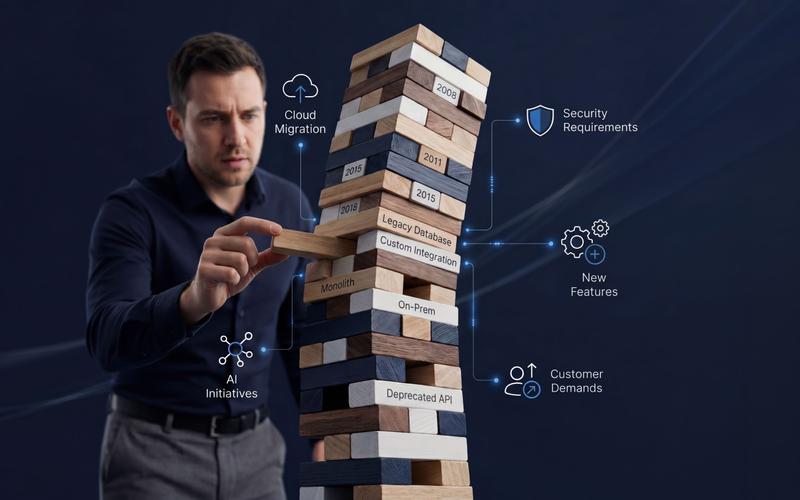
This can introduce duplicated logic, tightly coupled components, conflicting dependencies, and poorly structured databases. As the application grows, even small changes may break unrelated features, increasing development time and maintenance costs.
Difficult Maintenance and Higher Long-Term Costs
When developers don't understand the generated code, diagnosing failures becomes harder. New engineers may need to reconstruct undocumented decisions before they can safely modify the application.
Missing automated tests, monitoring, and deployment safeguards make this work even more expensive. However, a complete rewrite isn't always necessary. If the underlying architecture is sound, targeted refactoring may be enough. Rebuilding becomes more reasonable when security or architectural flaws affect fundamental parts of the system.
Is Vibe Coding Good or Bad for Different Use Cases?
Whether vibe coding is good or bad depends on the application's data sensitivity, technical complexity, and consequences of failure. It works best for low-risk experiments where speed matters more than long-term maintainability. As the potential impact of failure increases, so does the need for engineering oversight.
| Use Case | Suitability | Why |
|---|---|---|
| Prototypes and design experiments | Good fit | Quickly validates ideas using mockups or non-sensitive data |
| Proofs of concept | Good fit | Tests technical feasibility in a controlled environment without production dependencies |
| Internal tools | Conditional | Suitable for low-risk tasks, but access to customer records, financial data, or critical systems requires engineering review |
| Customer-facing MVPs | Conditional | Limited pilots may be appropriate with tested access controls, monitoring, and restricted exposure |
| SaaS platforms | High risk | Multi-tenant data isolation, integrations, scalability, and ongoing maintenance require engineering-led development |
| Payment and authentication systems | Avoid unreviewed code | Security or transaction failures can expose sensitive data or cause financial losses |
| Healthcare and financial applications | Engineering-led | Sensitive data, reliability requirements, and applicable regulatory obligations demand stronger controls |
These categories aren't absolute. A customer-facing MVP using synthetic data may be less risky than an internal tool with unrestricted access to production databases.
The deciding factor is the cost of failure, not the project's label. Before relying on vibe coding, consider what could happen if the application exposes data, produces incorrect results, or becomes unavailable.
High-risk applications can still benefit from AI-assisted development. What changes is the level of human review, testing, and operational control required before release.
How Bad Is Your Vibe-Coded Application? A Readiness Check
A vibe-coded application can look finished while still lacking essential production safeguards. To assess its readiness, examine how the system behaves beyond a successful demo and whether your team can verify its security, reliability, and maintainability.
Use this checklist to identify potential risks:
| Readiness Check | Warning Sign |
|---|---|
| Can an engineer explain the architecture and trace critical data flows? | Key components, dependencies, or data handling decisions are poorly understood. |
| Are permissions enforced on the server? | Changing a user or record ID in an API request exposes another customer's data. |
| Are critical workflows covered by automated tests? | Authentication, payments, or core business operations rely mainly on manual testing. |
| Can the application handle failures safely? | Failed requests cause duplicate operations, data loss, or inconsistent records. |
| Can the team recover from a failed deployment or data loss? | Backups haven't been restored in testing, or there's no verified rollback procedure. |
| Can developers detect and investigate production issues? | Missing monitoring, error tracking, or logs make failures difficult to diagnose. |
| Can engineers modify the application without breaking unrelated features? | Small changes repeatedly cause regressions or require extensive manual verification. |
Identifying a warning sign doesn't automatically mean the application needs rebuilding. The appropriate response depends on the severity of the issue and how deeply it affects the system.
Minor fixes: The architecture is sound, and isolated gaps in testing, monitoring, or configuration can be addressed without major structural changes.
Significant refactoring: Core functionality is useful, but weak component boundaries, inconsistent permissions, or unreliable integrations require substantial engineering work.
Partial or complete rebuild: Fundamental flaws in the data model, authorization design, or architecture make the existing implementation unsafe or disproportionately expensive to maintain.
Before deciding, assess the business impact of each issue, the effort required to fix it, and the risks of keeping the current implementation. A targeted technical assessment can help distinguish problems that need immediate attention from those that can be addressed as the product evolves.
How to Use Vibe Coding Without Creating Production Risk
The safest way to use vibe coding is to establish engineering controls before AI-generated code reaches production. Teams should define where AI can accelerate development, who approves its output, and what evidence is required before release.
Set Clear Boundaries for AI-Generated Code
Define which tasks are suitable for vibe coding and which require direct engineering oversight. Never include production credentials or sensitive customer data in prompts, and don't allow AI-generated changes to reach production without review.
Authentication, payments, permissions, and other high-impact functionality should remain under qualified engineering control.
Assign Human Ownership and Review Every Change
Every AI-generated change needs an engineer who understands the implementation and takes responsibility for its security, correctness, and maintenance.
Before approving code, reviewers should verify that it follows the existing architecture, introduces no unnecessary dependencies, and handles errors appropriately. A successful demo or AI-generated explanation isn't sufficient evidence of code quality.
Test Beyond Expected User Behavior
Testing should cover more than whether a feature works as intended. Before merging AI-generated code, teams should verify that:
- Unauthorized users cannot access another customer's records or perform restricted actions.
- Failed requests and retries don't create duplicate transactions or inconsistent data.
- Critical business workflows pass automated unit and integration tests.
- Security scans and dependency checks reveal no unresolved critical issues.
AI can help generate test cases, but engineers must independently define the failure scenarios worth testing.
Release Gradually and Monitor Performance
Validate changes in staging before deployment. Use feature flags or limited rollouts to reduce exposure, and monitor errors, performance, and unexpected resource usage.
Before release, confirm that the team can detect critical failures, identify the responsible engineer, and roll back or disable the change without losing data.
Recommended workflow:
Prototype → Engineering Review → Security & Testing → Staged Release → Monitoring & Maintenance
Each stage should have a clear approval requirement. If critical checks fail, the change shouldn't advance to production until the issues are resolved.
These controls allow teams to benefit from AI-generated code while keeping architectural decisions, risk acceptance, and release approval in human hands.
How JetBase Helps Make AI-Generated Software Production-Ready
Turning an AI-generated prototype into a production-ready product doesn't always require rebuilding it. The first step is identifying which parts of the application are reliable, which introduce risk, and what improvements matter most to the business.
At JetBase, we approach this through a technical assessment of the application's architecture, security, data handling, integrations, and infrastructure. Our engineers evaluate whether existing components can be retained, need refactoring, or should be rebuilt. The priorities depend on the potential impact of failures, the effort required to fix them, and the product's future requirements.
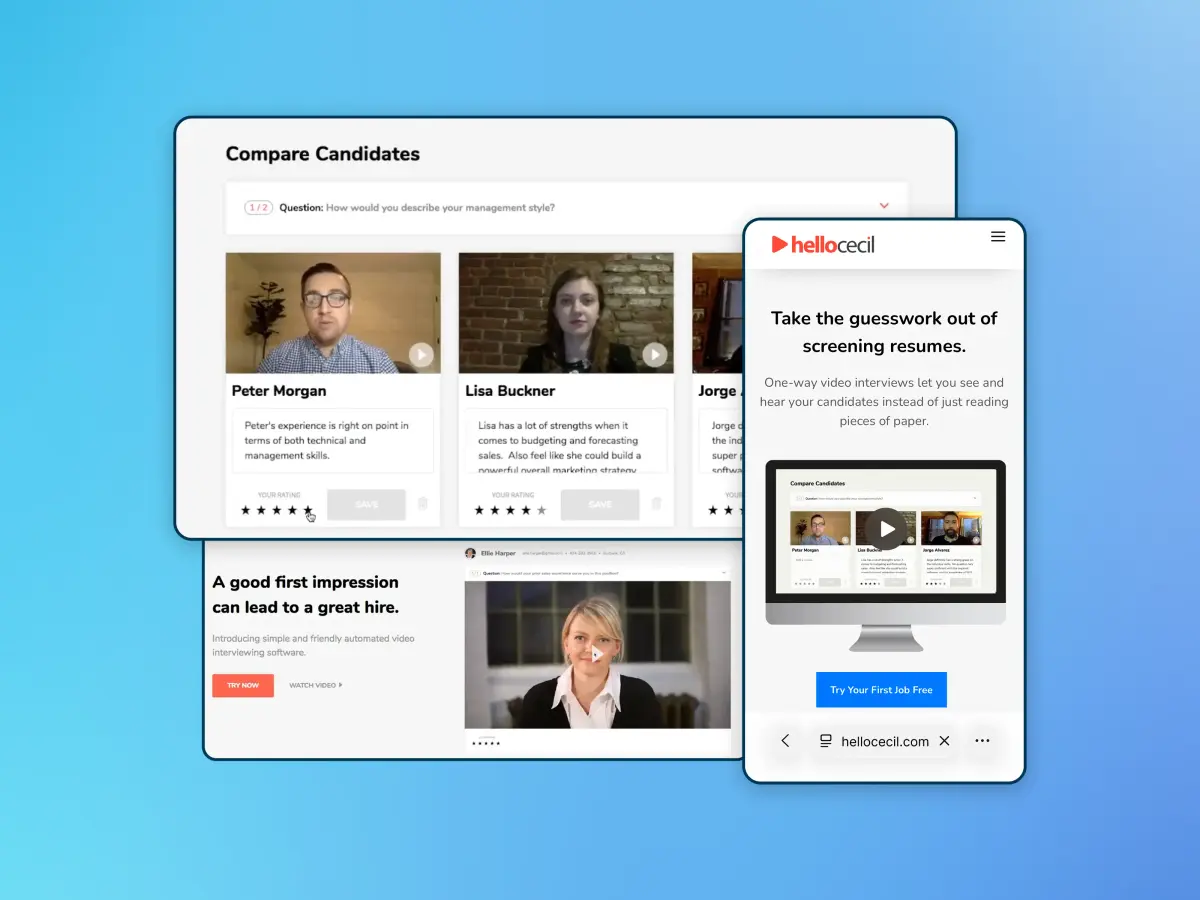
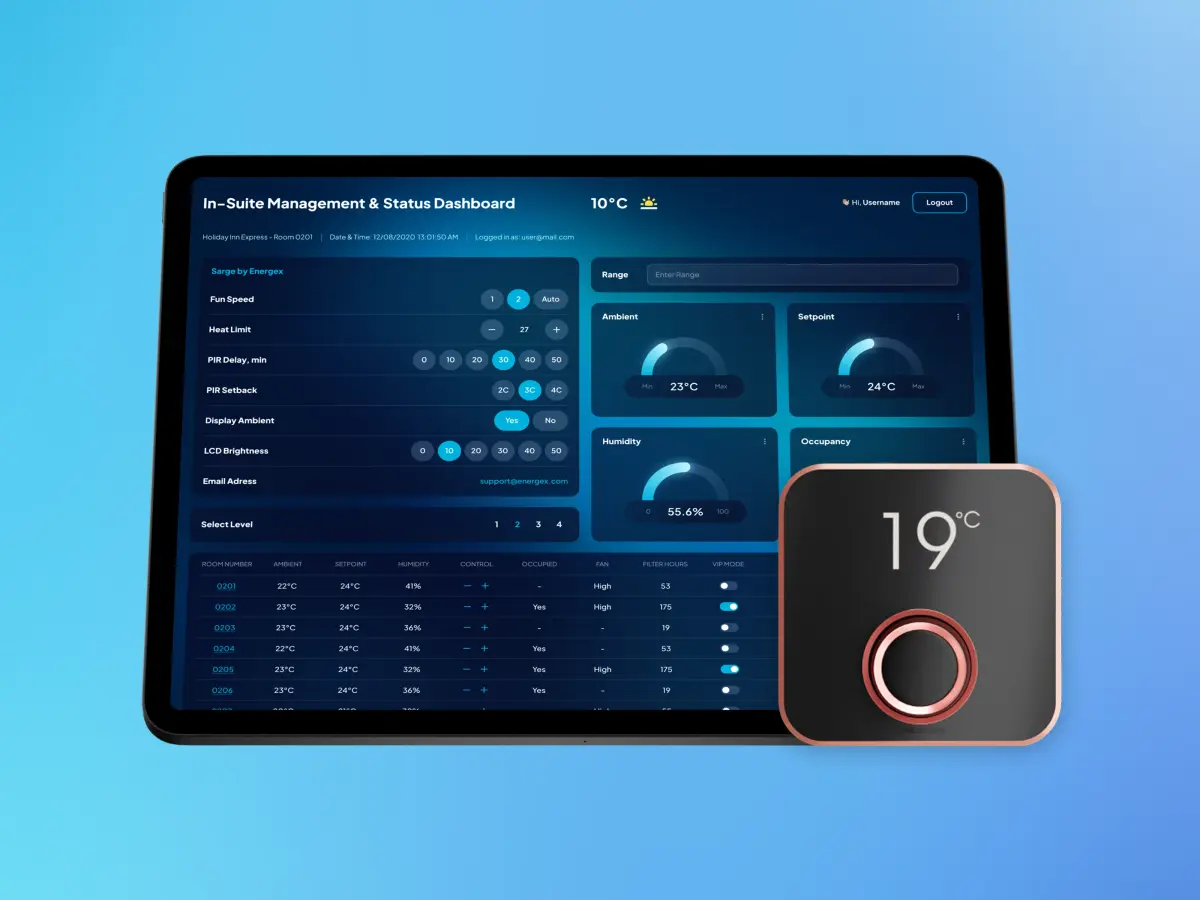
Our experience with existing software demonstrates the value of this approach. For Hello Cecil, we helped turn an existing MVP into a fully functioning video interviewing platform, addressing cross-device recording and storage challenges. In the Energex project, we optimized excessive data transmission between smart thermostats and cloud infrastructure, reducing associated cloud costs to approximately one-third of their previous level.
For teams working with AI-generated applications, the next step is to establish which risks need immediate attention and whether targeted improvements can make the product ready for launch.
Planning to launch or scale an AI-generated application? Contact JetBase to discuss a technical assessment and identify the engineering priorities before production.
FAQ
Why Is Vibe Coding Bad for Large-Scale Applications?
Vibe coding becomes risky as applications grow because AI-generated changes may introduce inconsistent architecture, weak access controls, and dependencies that are difficult to maintain. Larger systems also require reliable integrations, scalability, and monitoring. Without engineering oversight, small implementation problems can become expensive production failures.
Is Vibe Coding Good or Bad for Production Applications?
It depends on how the generated code is reviewed and validated. Vibe coding can accelerate early development, but production applications require verified security, data handling, critical workflows, automated tests, and deployment safeguards. Production readiness depends on the application's risks and requirements, not simply on whether AI generated the code.
How Bad Is Vibe Coding for Startups?
Vibe coding can be useful for startups testing ideas with limited resources. The risks increase when prototypes become customer-facing products or begin processing sensitive data. Startups should evaluate the potential cost of failure before deciding whether to improve the existing implementation or invest in engineering-led development.
Do You Need to Rewrite an AI-Generated Application?
Not necessarily. If the application's architecture is sound, targeted fixes and refactoring may address its weaknesses. A partial or complete rebuild becomes more reasonable when fundamental security, data-model, or architectural problems make the existing code unsafe or excessively expensive to maintain.